
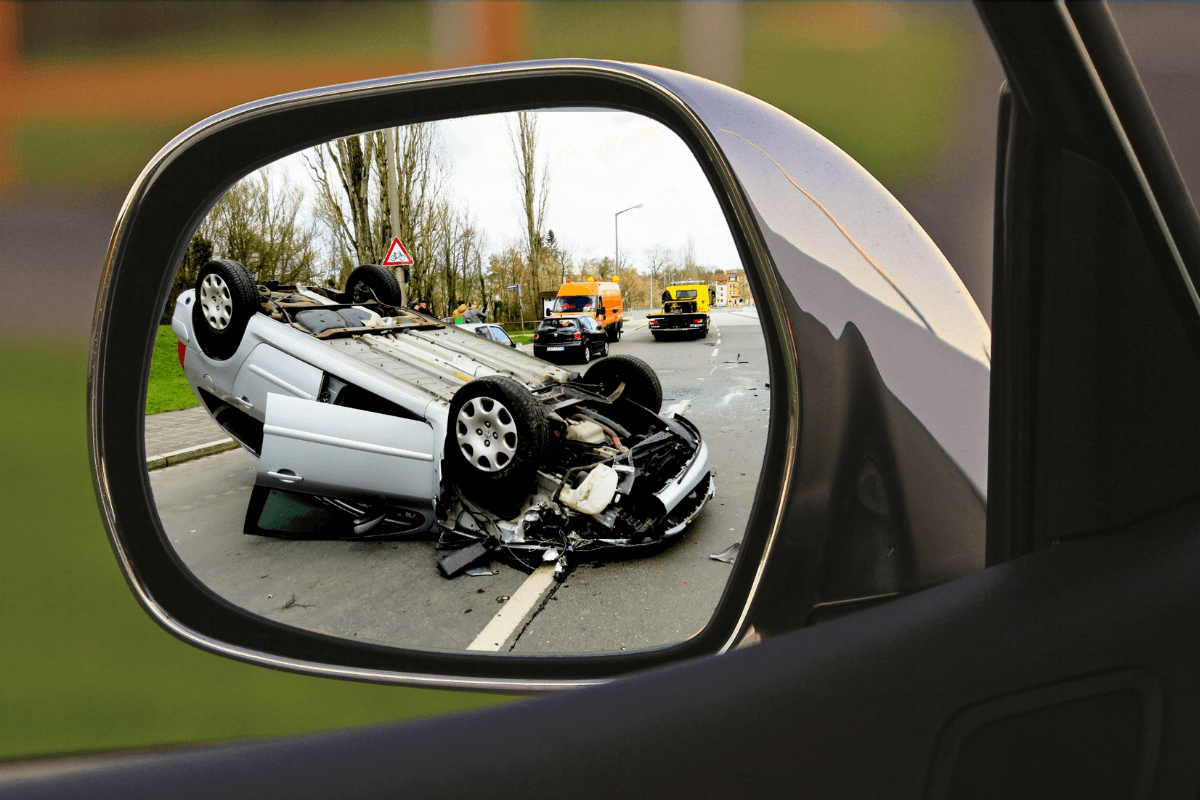
Bodily injury resulting from a car accident refers to the physical harm you sustain in the collision. These injuries can vary in severity, with some not being obvious right away.
Bodily Injury Coverage in Texas
All Houston drivers are required to have liability insurance coverage. The minimum requirements are:
-
$30,000 of coverage for injuries per person;
-
$60,000 per accident, and;
-
$25,000 for property damage.
This liability coverage is paid by the insurance company for the at-fault driver. But, what if the other driver’s insurance limits are not enough to cover all your injuries?
First, you can file a claim with your insurance company for additional payments under your personal injury protection (PIP), medical payments, or uninsured / underinsured motorist coverages.
What if these amounts are still not enough? You can file a personal injury lawsuit – even if you are partly to blame for your accident.
That’s right.
In Texas, you can file a personal injury lawsuit if you are 49% or less at fault. Under the state’s proportionate responsibility law, you can recover compensation proportionate to your percentage of fault.
How Bodily Injury Claims Work in Texas
While every case is unique, here’s how bodily injury claims typically work in Texas:
-
Seek immediate medical attention.
-
Retain a car accident attorney to gather evidence to support your claim, including your medical records and bills, accident report, lost wage information, witness statements, and photos of your injuries and property damage.
-
File an insurance claim and send the at-fault driver’s insurance company a demand letter.
-
File a petition in the appropriate Texas court if the insurance adjuster is unwilling to pay the amount requested.
-
Continue trying to negotiate a favorable settlement.
-
Prepare for and attend the trial if no settlement can be reached.
Compensation for Bodily Injury
To obtain compensation in a bodily injury claim, you will need to prove the liable party acted negligently. Further, you will need to present evidence to show the nature and severity of your injuries.
(5) Serious Bodily Injury Examples
Serious car accident injuries include:
-
Broken Bones: Your arms, legs, and ribs are especially vulnerable to fractures in car crashes due to the tremendous force of impact exerted on your bones. They can require surgery and may lead to punctured organs or even amputation.
- Traumatic Brain Injury (TBI): Sometimes the symptoms of traumatic brain injury initially appear mild, so it is important to obtain medical treatment because many indications of serious head injury are not obvious.
-
Spinal Cord Injuries: Damage to your spinal cord can require extensive physical therapy, the use of a mobility device, and even surgery to mitigate your pain and help improve your movement. Spinal cord injuries can lead to many additional problems, such as bladder and bowel issues, depression, pain management, paralysis, and premature death.
-
Internal Injuries: Internal injuries often have subtle or no immediate symptoms, making it difficult to diagnose them without medical imaging procedures. The blunt force impact caused by a car accident can lead to cuts, tears, or penetration of your organs, leading to serious problems such as internal bleeding.
-
Penetrating Injuries: Penetrating injuries caused by broken glass or metal fragments from car accidents can be serious, especially if they impact vital organs. Such organ penetration can cause severe internal organ damage and death.
Additionally, there are different types of damages to which you may be entitled to. If you or a loved one has suffered bodily injuries in a Texas car accident, we can help you fight for compensation.
Our Houston car accident attorneys are experienced in building strong car accident cases. Contact our Houston car accident lawyers at Dax F. Garza, P.C. today to schedule a free case evaluation.
